The Wallabies have produced one of their most courageous victories in recent memory, putting in a commanding performance before being reduced to 11 men against a fast-finishing South Africa, holding on win 42-38 in Perth.
It was a match that truly had everything, with the 54,678 fans being served up a thrilling contest in the west, with next year’s World Cup opener at the same venue also lingering over festivities.
Watch every second of the 2026 Bledisloe Cup series live and on demand via Stan Sport.
The Springboks showed why they are such a dominant side, bouncing back with three tries in the last ten minutes against a Wallabies side that was losing player after player to the bin.
However, with the hosts having produced a clinical performance in the first 65 minutes through two tries to Len Ikitau plus efforts to Ben Donaldson, Harry Wilson and Max Jorgensen, it proved enough to see the men in gold home.
So, what did we learn?
With the Wallabies set to return to Perth for the opening match of the Rugby World Cup against Hong Kong in just over a year’s time, Optus Stadium on Sunday afternoon had an air of key statements needing to be made by both sides.
The spectacle lived up to the occasion, with plenty of Springbok fans in the house and showing their support for the world champions, fresh off their 3-1 series win over the All Blacks.
With the drama unfolding in the last ten minutes, it was a clash that showcased all sides of international rugby - and with the Wallabies emerging as victors over the current world champions, it now marks them as a dangerous side to watch in 2027.
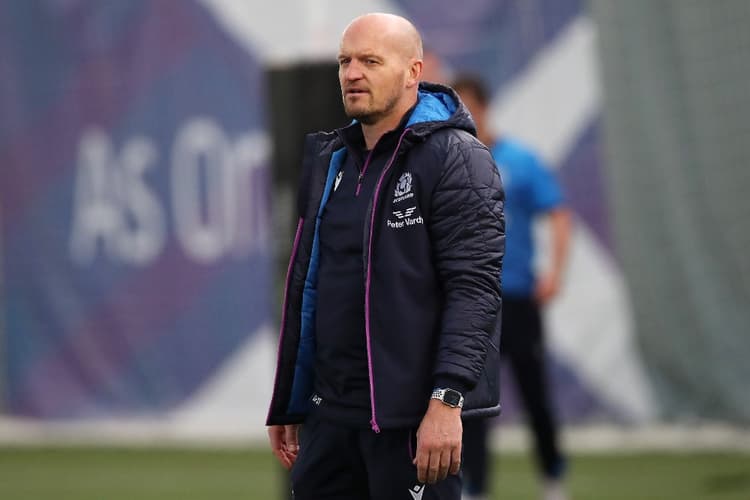
With Les Kiss now undefeated in his first five test matches, it also shows that the years of planning under Joe Schmidt are dovetailing into his former Ireland assistant coach’s tenure, setting the stage for a fascinating next 12 months of a home Rugby World Cup.
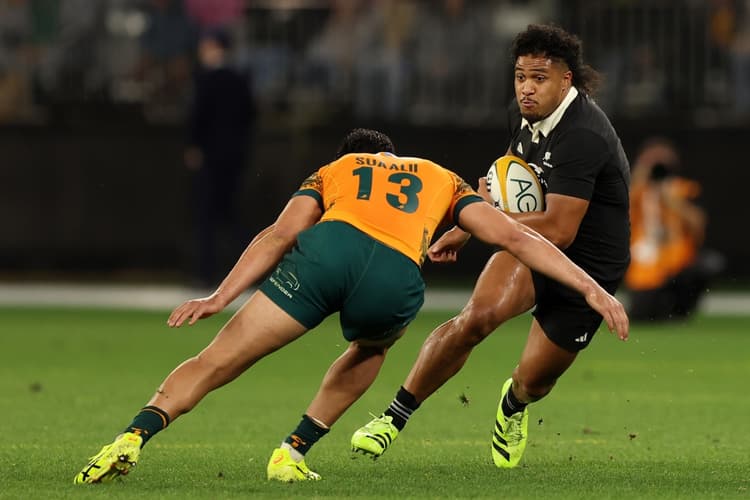
The big talking point heading into the game was the decision to start Joseph-Aukuso Suaalii on the wing for the first time ever, and against the best in the world, the superstar delivered.
Winning back the first kick-off, Suaalii had a huge game, giving the Wallabies significant weaponry under the high ball, and being well supported by his running mate Max Jorgensen.
It was also helped that Donaldson and Ryan Lonergan had strong evenings with the boot, pointing to a Wallabies side that could turn the kicking game into one of their strongest weapons.
When Ikitau was forced from the field with an ankle injury, Suaalii slotted back into his centre position to maintain the rage, with Harry Potter effectively utilised in his cameo off the bench.
Even with a yellow card in the closing stages, there is no denying Sunday night showed the concept of letting Suaalii roam out wide has strong legs.
The return pairing of Hunter Paisami and Len Ikitau at centre further complemented the effort, with Ikitau reverting to his traditional outside centre role and paying off in spades, scoring two tries before being forced off.
With Paisami also producing one of his best games, the combined efforts allowed Donaldson to set a strong platform, netting one of his biggest wins as a starting flyhalf.
The Springboks’ decision to make 13 changes ahead of the match had a lot of merit, with the world champions fresh off a bruising series against the All Blacks.
With a lethal bomb squad ready to be utilised off the bench, however, all signs pointed to the visitors still coming through and still prevailing over the hosts.
However, it wasn’t the players selected that proved their downfall, but the way they and the bench were utilised.
Early in the second half, head coach Rassie Erasmus made the bold call to unleash the entire Springbok bench at once, bringing all eight reserves on in the 48th minute instead of drip-feeding them into the game.
With the Wallabies strategy seeing them with the momentum, however, this strategy backfired and left the Springboks with few options late in the game should a player get injured - with Eben Etzebeth forced to stay on the field several times after an HIA assessment, before finally being replaced by Franco Mostert.
While the bomb squad came close to prevailing in the final ten minutes and prove the strategy worked, the hosts’ grit proved enough - and it will likely lead to lessons learnt for Erasmus and his coaching staff.
If a casual fan had turned on the match in the final five minutes, you would have thought the Wallabies and Springboks had been neck-and-neck the entire game.
It certainly proved the case in the first half, the hosts going into the break up 24-17, but facing up against a world champion team known for running away with games in the second half, the Wallabies delivered one of their best games in years in terms of strategy and management.
Stifling the Springboks three times to keep the hosts from scoring inside the first five minutes of the second half, the Wallabies then turned the tables, taking two penalties when on offer to keep the scoreboard ticking over.
Picking their moments, the Wallabies dominated possession and territory until the last ten minutes, stealing three Springbok lineouts and matching the visitors in the scrum until they started to lose personnel.
The resulting pressure was rewarded in tries to Harry Wilson and Max Jorgensen, the 42 points scored being the largest number of points scored against South Africa in a match since 2017.
With four players sent off and a scenario most sides need to improvise against the world’s best, the grit shown proved to be enough - though the pressure the Wallabies were put under will likely lead to plenty of review time.
The Wallabies are now on their longest unbeaten run of results since 2017, with the Les Kiss era proving promising.
The result tonight will see the men in gold climb to sixth in the world rankings, reclaiming the Mandela Challenge Plate for the first time since 2022.
Combined with a maiden series win in Argentina and reclaiming the Puma Trophy and a series win of Japan, the result sees the Wallabies in arguably their best position since making the 2015 Rugby World Cup final with the trophy cabinet filling up.
However, their next clash will take them to the hardest place in rugby to win: Eden Park. With that, comes the elusive Bledisloe Cup, which the men in gold haven't held since 2002.
The All Blacks are currently in the midst of their longest winning streak ever over the Wallabies, having beaten Australia in their last 11 matches and having not lost to them since 2020.
However, with the All Blacks fresh off a series loss to the Springboks and the Wallabies claiming tonight’s victory, it sets the stage for a game where the men in gold know they have it within their mental and physical power to defeat the men in black.
With a victory over the current world champions, it marks the Wallabies as a side the whole world will now be watching - and dealing with that pressure will be a new task for Kiss and his men to manage.